


Buying Guides
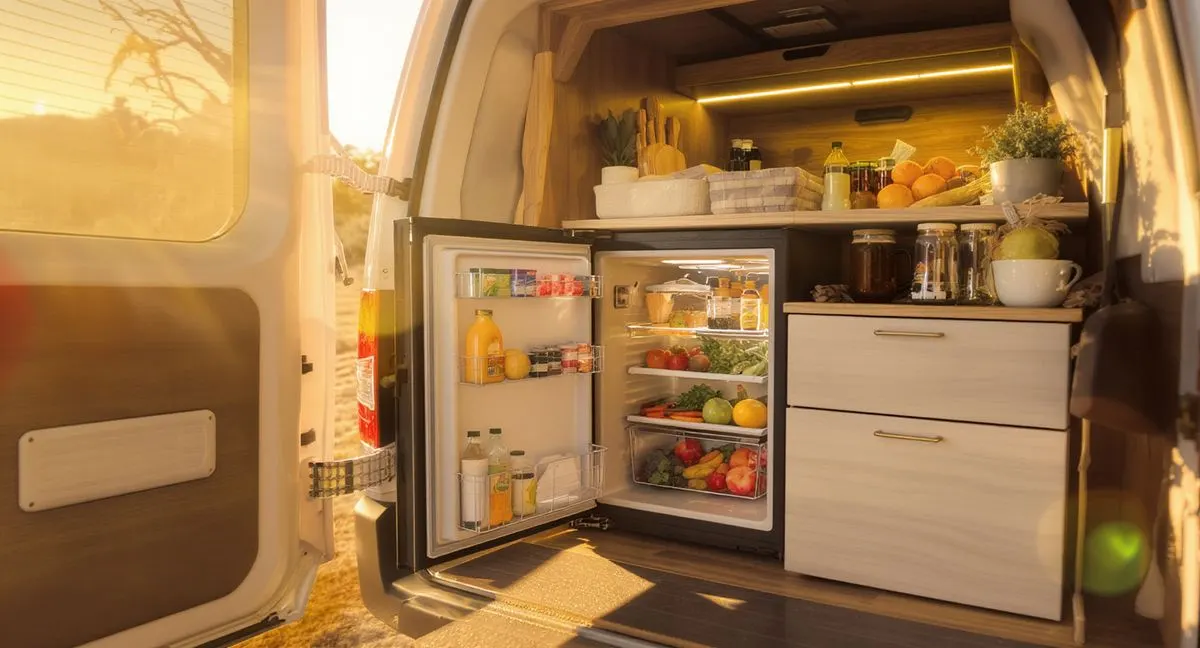
Best 12V Fridges for Van Life: Complete Guide
How 12V compression fridges work, how to read spec sheets, size the fridge, battery and solar, install and wire it, plus our best budget, mid-range and premium picks.
Read the guide
Cook Anywhere. Live Everywhere.
Independent, research-based reviews and long-form guides for choosing van life kitchen gear. Built from published specs, manuals and cited sources — and honest about what we haven't checked.
14 categories, 161 product reviews, each researched and compared. Pick the zone you're building next.
A van life kitchen is five decisions made in the right order. Get the first two right and the gear choices mostly make themselves.
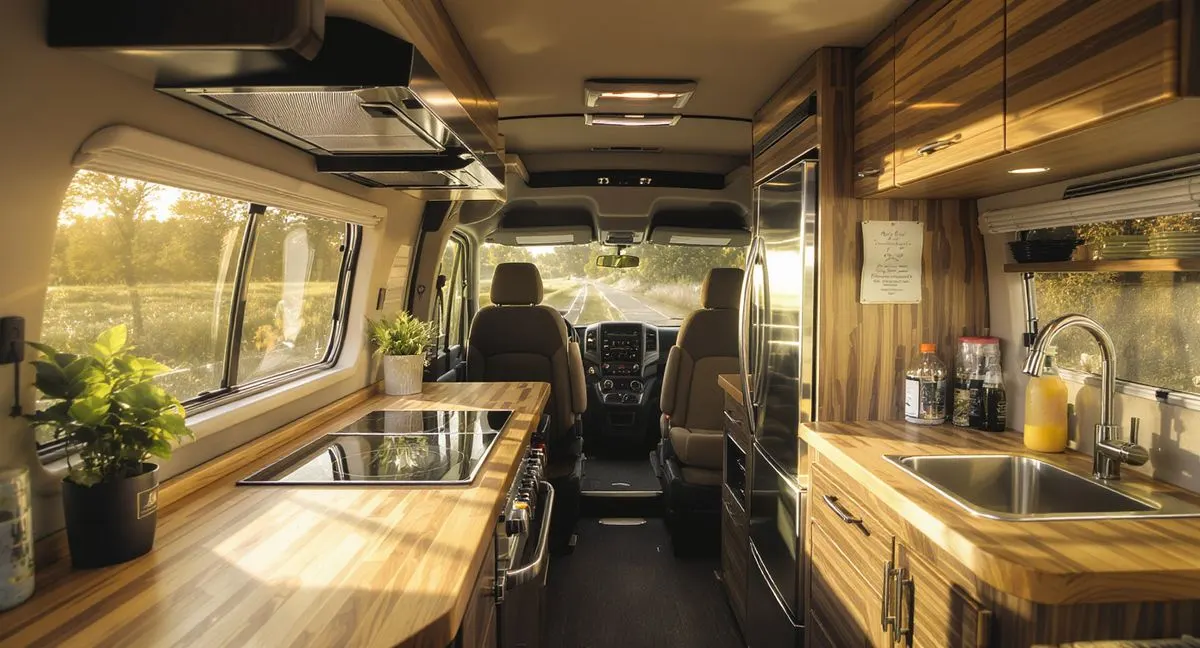
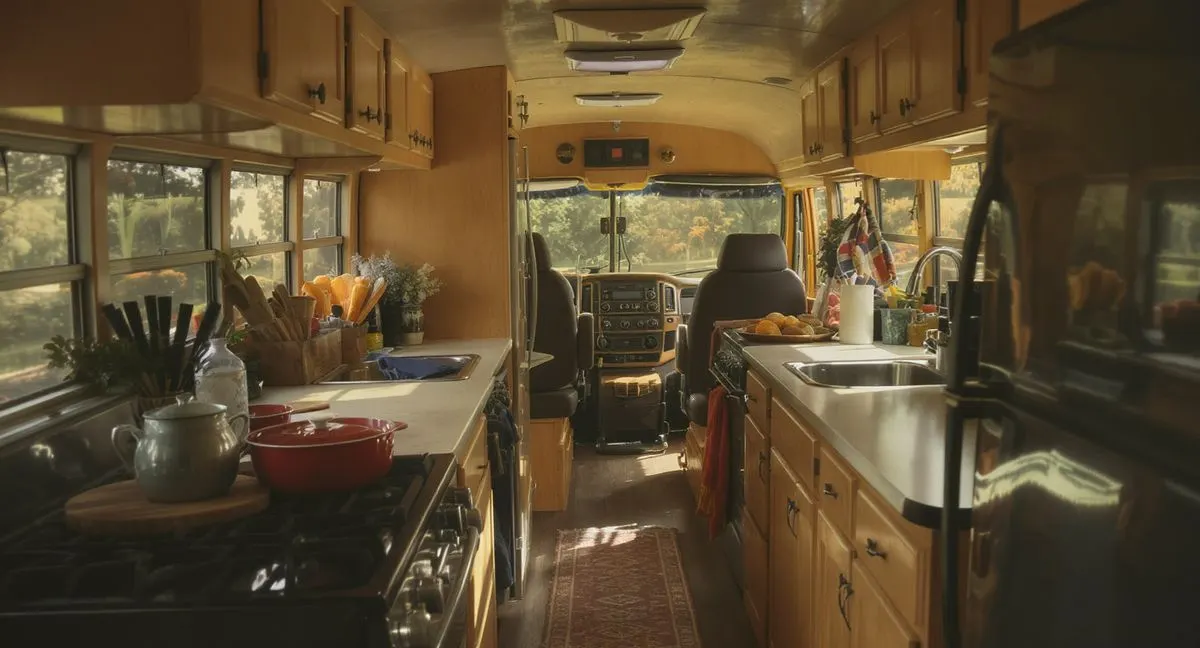
Galley along the slider wall, an L-shaped rear kitchen, a pull-out cassette, or a fully portable kit — the layout decides your counter depth, where the fridge lives, and how much water plumbing you need. Most van conversion kitchens fit in 30 to 60 inches of wall.
A 12V compressor fridge is the one appliance that runs 24 hours a day, so it sets your battery and solar budget. A typical 35–50L fridge averages roughly 19–29 amp-hours a day in moderate weather, and more in summer heat. Induction cooking can add far more than the fridge — often 40–140 Ah a day depending on how much you cook.
Induction needs a large lithium bank and inverter but no ventilation for combustion. Butane is cheap and simple but weak below freezing. Propane works year-round but needs a sealed, vented locker and a CO alarm if it lives inside the van.
Fresh tank or jugs, a pump, a sink, a grey-water container, and filtration if you fill from campground spigots. Two people typically use 5–6 gallons a day for drinking, cooking, and dishes with efficient habits.
Nesting cookware, storage that latches on washboard roads, and a short list of tools you will actually use. Start with a budget build and upgrade the pieces that bother you.
Pick the decision you're facing. Each path explains who it helps and what to check, then links to the guide and the reviews.
Anyone choosing a 12V compressor fridge for a van, truck camper or SUV.
Builders deciding between induction, butane and propane.
Anyone fitting pots and pans into one small cabinet or drawer.
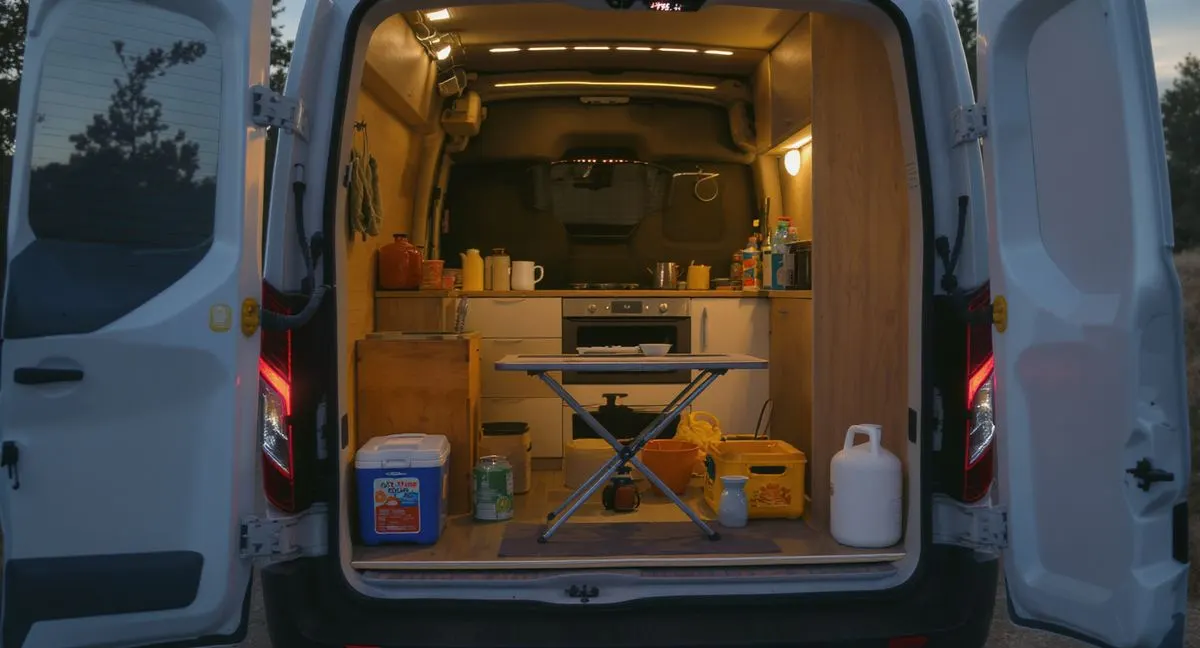
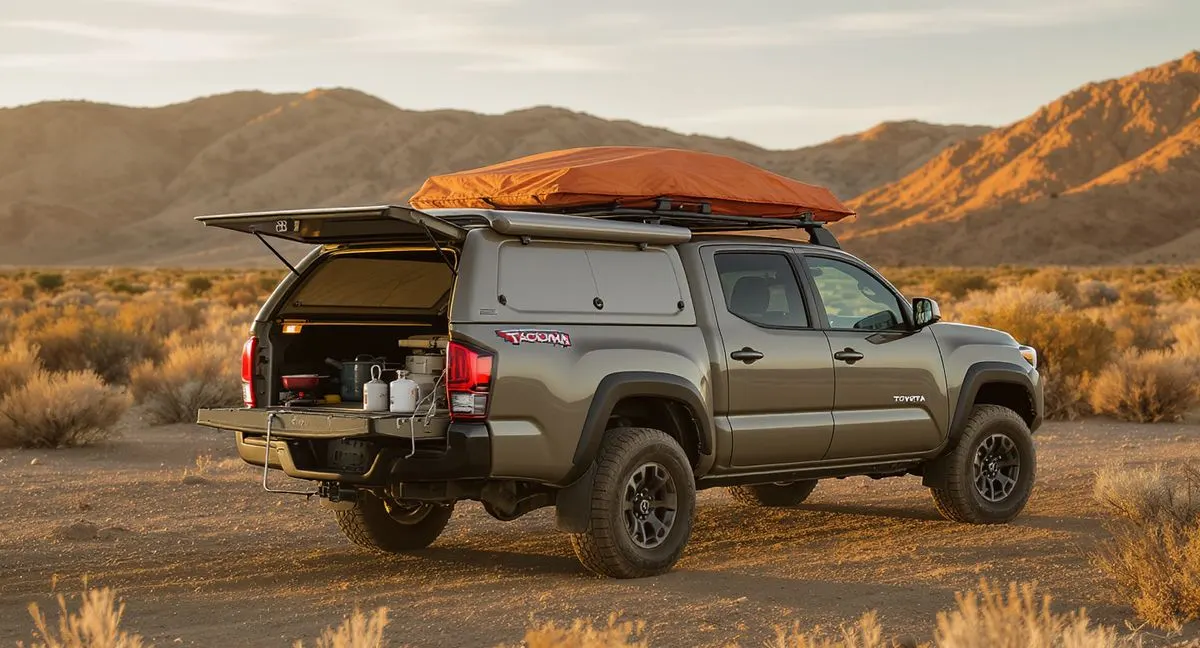
Car campers and weekenders with no built-in kitchen.
37 guides covering layout, power, water, meal prep, storage, and the honest trade-offs of cooking on the road.
How 12V compression fridges work, how to read spec sheets, size the fridge, battery and solar, install and wire it, plus our best budget, mid-range and premium picks.
Read the guide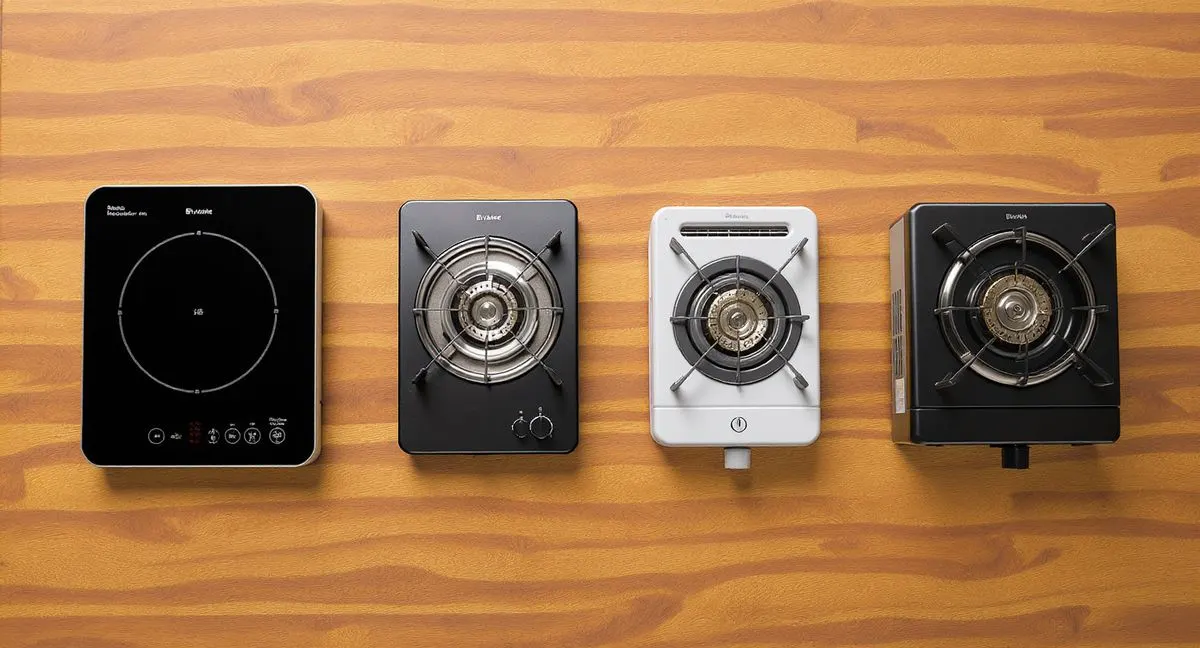
Induction, butane, or propane? Power math, indoor safety, cold-weather strategy, and the best van life cooktops at every price tier for 2026.
Read the guide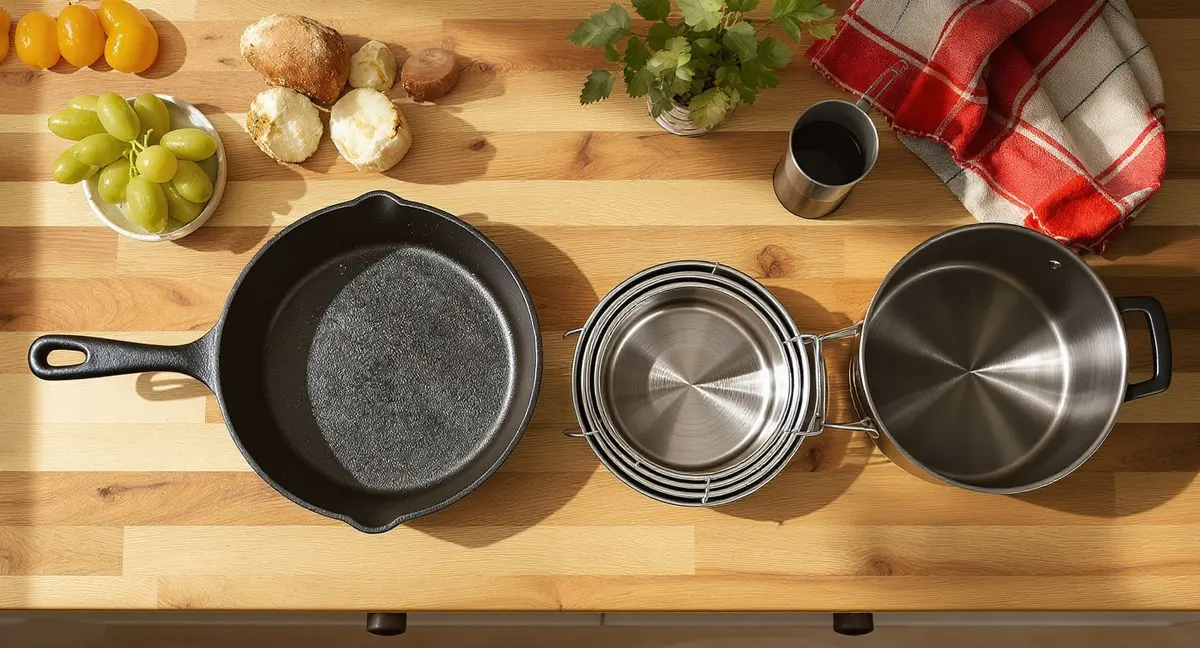
The two-pan kit, the best nesting cookware sets by budget, induction compatibility, cast iron care without an oven, and how to stow pans so they never rattle.
Read the guideMinimalist, off-grid, weekend-ready. Example kitchen builds for specific vans and ways of travelling — every product and every trade-off.

“We don't test gear in a van. We read the specifications, the manuals and the warranty terms, cite our sources, and do the comparison work so you don't have to. Where the evidence is thin, we say so.”